
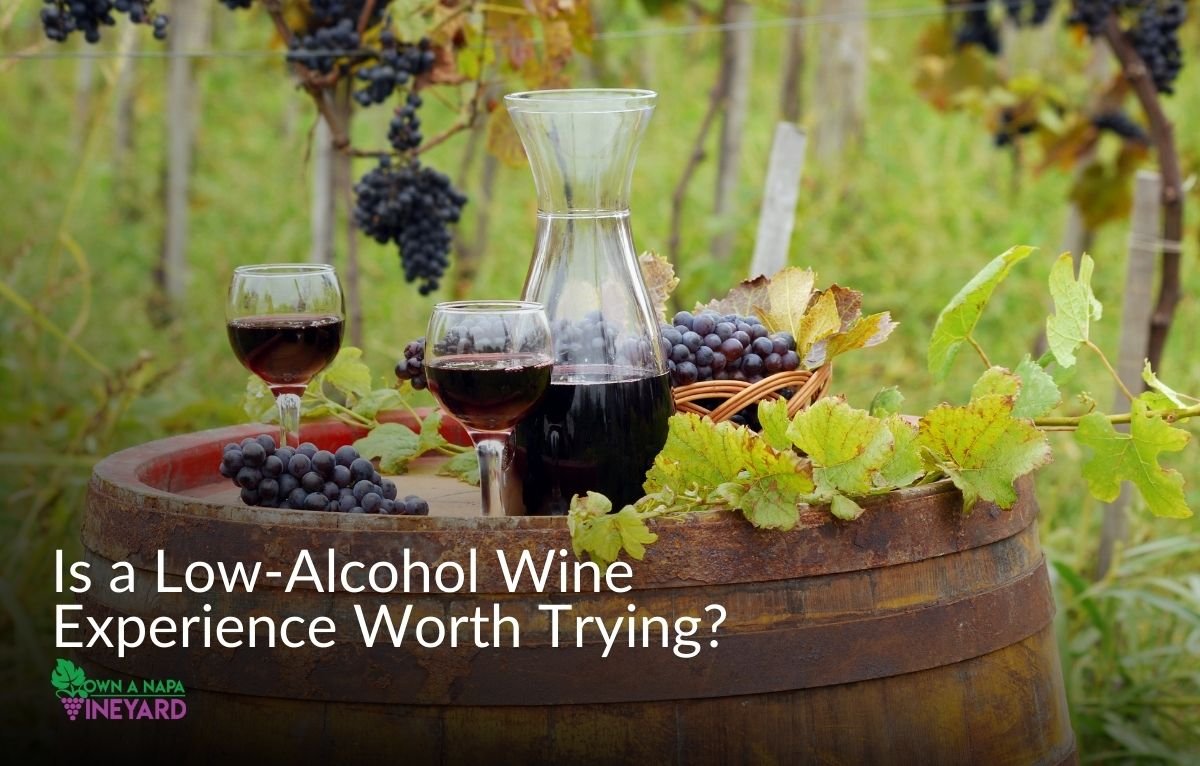
There’s been growing interest in wine that’s lighter in alcohol, driven by a mix of health goals, lifestyle choices, and simple curiosity. A low-alcohol wine experience is not about giving up quality or flavor. It’s about enjoying wine in a more balanced, session-friendly way.
For casual wine drinkers, it can offer the chance to enjoy a glass without worrying about strong effects. It’s also a useful option at brunches, daytime gatherings, or work-week dinners when lighter wines are a better fit. Low-alcohol doesn’t mean flavorless; it simply shifts the structure and profile of the wine to suit different situations.
What Counts as Low-Alcohol Wine?
In most cases, wines under 12.5% ABV (alcohol by volume) are considered low in alcohol. For comparison, many California reds range from 13.5% to 15%, sometimes higher depending on the style and vintage.
The most common types of low-alcohol wines include:
- Moscato and other semi-sweet whites (usually around 5-8% ABV)
- German Riesling Kabinett or Spätlese (typically 7-9% ABV)
- Vinho Verde from Portugal (9-11% ABV)
- Some styles of Rosé, Frizzante, or lightly sparkling wines (often under 12%)
Some cool-climate reds like Pinot Noir may fall on the lower end of the alcohol scale compared to bolder varieties, but most still hover above the low-alcohol cutoff. That said, not all wines in the same category have the same alcohol level, so it’s worth checking labels or producer notes.
Why People Try Low-Alcohol Wines
A low-alcohol wine experience can appeal to different types of wine drinkers. For some, it’s a way to enjoy more than one glass without feeling sluggish or overindulged. For others, it helps support specific health goals, such as cutting back on alcohol intake while still enjoying social experiences.
It’s also becoming more common to see these wines at events where the focus is on food pairings, conversation, or casual gatherings. The lower alcohol helps keep things light and easy without sacrificing the enjoyment of wine as part of the event.
What to Expect From the Taste and Body
Lower alcohol wines often have a lighter body, more noticeable acidity, and lower tannins. The structure is usually softer, which can be pleasant for those who find full-bodied reds too strong. Many have bright fruit notes and refreshing finishes, especially whites and sparkling wines.
The downside, depending on preference, is that they may lack the complexity or depth that comes with higher-alcohol wines. This doesn’t make them bad—it just makes them different. They work well in warm weather, for early dinners, or when wine is part of a longer occasion.
People who enjoy lighter styles of wine already—like Sauvignon Blanc, Pinot Grigio, or chilled reds—often find low-alcohol wines easy to enjoy. For those used to bold reds or oak-aged whites, the experience can be surprising, but not unpleasant.
How to Choose the Wine That Fits Your Taste
If you’re trying low-alcohol wine for the first time, it helps to look at the grape type, region, and how it’s produced.
- Start with trusted varietals
Look for grapes known for lighter structure—Moscato, Riesling, Pinot Blanc, and Gamay are good entry points. These wines tend to have natural acidity and fruit-forward flavors that hold up even with lower alcohol. - Consider origin and climate
Wines from cooler regions (like Germany, Northern Italy, Oregon, or parts of coastal California) often have lower alcohol due to shorter growing seasons. These conditions limit sugar buildup in the grapes, which means less alcohol during fermentation. - Check the label for alcohol content
Many wines list the ABV clearly. Look for anything in the 9–11.5% range to stay in the lower zone while still getting a balanced profile.
Common Situations Where Low-Alcohol Wine Fits Better
There are times when full-strength wine might feel too heavy or out of place. A low-alcohol wine experience works especially well in the following situations:
- Brunches or early afternoon gatherings where lighter options make sense
- Work-week dinners when you want wine without strong effects
- Long events or multi-course meals where pacing matters
- Social settings with mixed drinkers or those watching alcohol intake
- Hot weather or summer outdoor events where freshness is preferred
In all of these moments, lighter wines offer flexibility without compromising on experience.
Are There Trade-Offs With Low-Alcohol Wines?
Yes, there are some things to keep in mind. You may notice that lower-alcohol wines are sometimes sweeter, depending on how they’re made. In others, the acidity can stand out more due to the lack of alcohol weight. Some wines may feel simpler or less structured, which may or may not suit your taste.
Still, the lower alcohol can make the wine feel cleaner, fresher, or easier to enjoy for longer periods. It depends on what you’re looking for. The key is to match the wine with the setting and your personal preferences.
For people who typically don’t finish a full-bodied red or who find wine too overpowering with light meals, these lighter styles can be a more enjoyable option overall.
Is a Low-Alcohol Wine Experience Worth Trying?
Trying a low-alcohol wine experience makes sense if you’re looking for something easygoing, food-friendly, and less intense. It can be a useful option for certain times of day or events and gives you a way to enjoy wine on your own terms.
Not every vineyard focuses on low-alcohol wines, but some styles, like Pinot Noir, may fall into the lower end of the spectrum, depending on the producer and region. If you’re unsure which vineyards offer wines that match your preferences, Own A Napa Vineyard can help guide you to the right option. Whether you’re interested in lighter wines or something full-bodied, they offer support to help you get the kind of wine you’ll actually enjoy.